Extinguishing Poverty Through Innovative Strategies
Join Hands And Be A Hero
Participate in our mission and help us continue creating a better tomorrow for our youth.
Our OBJECTIVES
Extinguish Rural Poverty
Help people acquire the right skills that will help them improve their livehoood.
Skill Development
Provide youth with job training to acquire employable skills.
Youth Empowerment
Shrink the share of youth most at risk of being left behind in the labor market.
African Intervention
Promote youth self-employment in Sierra Leone as a model for our African intervention.
Our Mission
Creating Jobs and Employment for youth in Africa
Access to resources will enhance youth productivity and relevance to their communities
- AYM is a youth-serving organization that encourages and works with young people to explore creative solutions to poverty.
- AYM engages youth as change-makers in rebuilding and developing rural communities through innovative and progressive local-driven programs and enterprises.
- AYM revitalizes youth potentials in rural communities for social and political stability through education, technology, agribusiness, eco-tourism, entrepreneurship, and the creative arts.
- AYM facilitates increased access to critical resources and opportunities for rural youth.
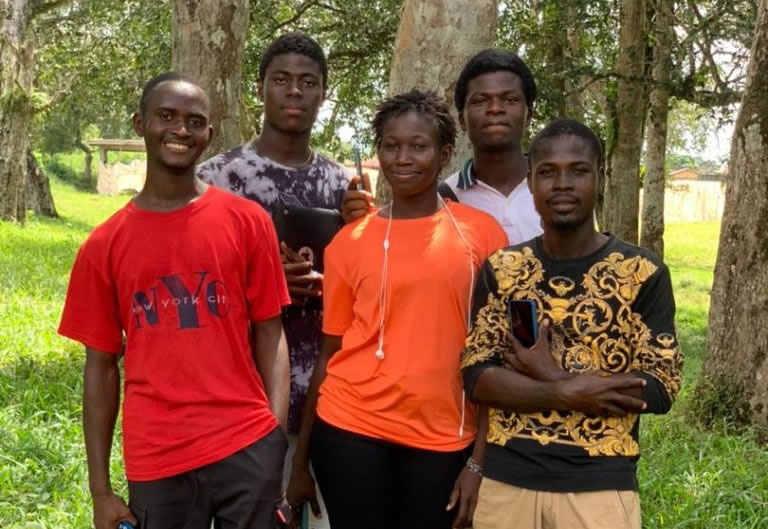
Empowering and Mobilizing Africa’s Youth through Employment.
We Are, Twenty-First Century African Youth Movement (AYM)! We Are AYM!!! We work to transform lives and communities.
Our VISION is to reverse the social and economic marginalization of Africa with people, ideas, and resources.
Mobilizing Africa’s unemployed and underemployed youth is the key to the continent’s economic growth and future stability.
Education, skills training, jobs creation and entrepreneurship are keys to moving communities away from poverty, disease, and hunger.
Extinguishing Poverty through Innovative Strategies
Twenty-First Century African Youth Movement empowers rural youth through technology programs and prepares them for employment in good paying jobs and enables them to take control of their own future.
Our Core Values
EMPATHETIC
COLLABORATIVE
TRUSTFUL
INNOVATIVE
PRACTICAL
FEARLESS
ACCOUNTABLE
HONESTY
LOYAL
GIVING
Lives Changed
Enterprises Created
Members Worldwide
Funds Raised
Know More About
What We Achieved
AYM means youth employment. Employment to increase the income of rural youth and an opportunity to increase their quality of life. Right now, we have some key enterprises with the potential to expand more.
SIGN UP FOR OUR NEWSLETTER
To subscribe to our newsletter please fill out the form with your information and stay informed with all the exciting news, art, programs, opportunities and updates on everything at Twenty-First Century African Youth Movement.